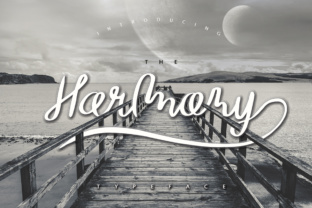
The Harmony: A Playful Handwritten Font for Creative Projects
When you are choosing a typeface for a project, the decision often comes down to more than legibility. You want a voice—a tone that feels human, approachable, and distinctive. The Harmony, a playful handwritten font created by Pere Esquerrà, delivers exactly that. Designed to feel spontaneous yet deliberate, this typeface brings a handcrafted warmth to digital and print work alike. Whether you are designing a brand identity, formatting a presentation, or creating content for social media, understanding what this font offers—and where it fits best—can help you make smarter, more effective design choices.
Handwritten fonts have grown in popularity because they break through the coldness of standard typography. They add personality. They signal that a real person is behind the message. The Harmony takes this idea further by balancing playfulness with readability, making it suitable for a wide range of contexts without sacrificing clarity. Below, we explore why this font matters, who benefits most, and how to use it thoughtfully.
What Makes The Harmony Distinctive
The Harmony is not just another handwritten font. Pere Esquerrà crafted it with a specific attention to flow and rhythm, ensuring that letters connect naturally and feel consistent across different sizes and applications. Unlike many handwritten typefaces that lean too casual and become hard to read in longer passages, The Harmony maintains a friendly but legible structure.
Its playful character comes from slight irregularities in stroke weight and letterforms—small variations that mimic the natural inconsistencies of handwriting. These imperfections are intentional. They make the text feel alive and personal, which is especially valuable when you want to build trust or emotional connection with an audience.
Another strength is the font's versatility. It works well in headings, short blocks of text, and even as accent typography within larger layouts. The Harmony includes a range of glyphs and ligatures that expand creative possibilities, so you are not stuck with a limited set of characters.
Adding Authenticity to Branding
For small business owners and freelancers, branding is often about standing out while staying relatable. The Harmony helps achieve that balance. Its handwritten style signals authenticity and approachability, qualities that matter when you want customers to feel a personal connection to your brand. A logo, business card, or website heading set in The Harmony can communicate warmth without sacrificing professionalism.
Consider a local coffee shop, a handmade goods store, or a creative consultancy. These brands thrive on personality. Using The Harmony in their visual identity reinforces the message that they are not a faceless corporation. It humanizes the brand. And because Pere Esquerrà designed the font to be legible at various sizes, it works on both small screens and large signage.
Improving Presentation and Communication
Marketers and educators often struggle to make presentations feel engaging. Standard fonts like Arial or Helvetica can feel sterile, especially in contexts where you want to inspire or connect emotionally. The Harmony offers a solution. Using it for slide titles, pull quotes, or key messages adds a layer of warmth that helps hold attention.
In email marketing or landing pages, a handwritten font can make a call-to-action feel more like a personal invitation than a generic prompt. When readers sense that a human being wrote the words, they are more likely to respond. This is not about trickery—it is about aligning visual tone with the message's intent.
Supporting Creativity in Content Creation
Bloggers, hobbyists, and content creators often need their work to feel distinct while remaining easy to read. The Harmony works well for blog headers, social media graphics, and even short pull quotes within articles. Its playful personality makes it a natural fit for lifestyle content, travel journals, parenting blogs, and creative writing projects.
If you produce video content, the font can also be used in titles and lower-thirds to give a consistent, friendly visual identity. The key is using it sparingly—pairing it with a clean, neutral typeface for body text ensures that the handwritten quality stays impactful without overwhelming the reader.
Who Benefits Most from Using The Harmony
The Harmony appeals to a broad audience, but certain groups find it especially useful:
- Small business owners and entrepreneurs who want their brand to feel approachable and handcrafted without hiring a designer for every asset.
- Freelance designers and creative professionals who need a versatile handwritten font that works across multiple client projects and industries.
- Marketers and social media managers who create visual content regularly and want to stand out in crowded feeds.
- Educators and workshop leaders who design learning materials and want to reduce formality to encourage participation.
- Bloggers and content creators looking to differentiate their visual style with minimal effort.
That said, not every project benefits from handwritten typography. If your work requires maximum formality—legal documents, academic papers, corporate annual reports—a more traditional serif or sans-serif typeface is likely better. The Harmony shines in contexts where warmth, personality, and human connection matter most.
Branding and Identity Projects
When building a brand identity, consistency is important. The Harmony can serve as the primary display font for logos, taglines, and packaging. Pair it with a clean sans-serif like Open Sans or Lato for body text to create contrast without conflict. This combination keeps the design balanced: the handwriting adds charm, while the neutral font ensures readability.
If you are working on a brand guide, specify that The Harmony should be used for headings and accent text only, not for long paragraphs. This preserves its impact and prevents readability issues.
Social Media Graphics
Social media feeds are visual and fast-moving. The Harmony helps your content stop the scroll. Use it for quote cards, announcement posts, and story highlights. Its playful nature fits Instagram, Pinterest, and Facebook especially well. For LinkedIn, use it sparingly—perhaps for personal posts or thought leadership quotes where you want to show a human side.
A simple recommendation: keep the text short. One or two lines in The Harmony work better than a full paragraph. Let the font do the heavy lifting in terms of personality, and keep the message concise.
Invitations, Cards, and Personal Projects
For personal projects like wedding invitations, greeting cards, or event flyers, The Harmony brings a handmade feel that matches the sentiment. It works well on physical products like thank-you notes, place cards, and small signage. Because Pere Esquerrà designed it with attention to spacing and flow, it prints clearly at moderate sizes.
If you are a hobbyist who enjoys creating stationery or digital art, this font gives you a professional-quality tool without requiring advanced calligraphy skills. You can produce results that look intentional and polished.
Thoughtful Considerations and Fit Factors
No typeface is perfect for every situation, and The Harmony is no exception. Its handwritten style means it may not be ideal for long body text, especially at small sizes where legibility can suffer. If your project requires extensive reading material, reserve the font for headlines, subheadings, or decorative elements.
Another consideration is cultural context. Handwritten fonts can feel casual in some regions and overly personal in others. If you are designing for a global audience, test how the font is perceived in your target market. Similarly, ensure that the font's playful tone matches your brand's voice. A financial advisory firm may not benefit from the same handwritten feel as a children's book publisher.
When comparing options, you might also look at other handwritten fonts from Pere Esquerrà or similar designers. The Harmony stands out for its balance of playfulness and structure, but some projects might call for a more formal script or a rougher hand-drawn look. Testing a few alternatives against your specific use case is always wise.
How The Harmony Can Save Time and Simplify Decisions
One underappreciated benefit of a well-designed typeface is the time it saves. When you find a font that works across multiple applications—branding, social media, print, presentations—you reduce the need to search for new options for every project. The Harmony offers that kind of versatility. By keeping it in your toolkit, you can maintain a consistent visual language without reinventing the wheel each time.
Additionally, because the font includes ligatures and alternate glyphs, you get built-in variety. You do not need to manually tweak letterforms to avoid repetitive looks. This is especially helpful when designing headlines or logos where every character counts.
For entrepreneurs and freelancers who manage their own design work, reducing decision fatigue matters. A reliable, attractive font like The Harmony lets you focus on content and strategy rather than getting stuck in typography rabbit holes.
Final Thoughts on Using The Harmony Effectively
The Harmony is more than a font—it is a tool for communication that helps you sound human, warm, and approachable. Designed by Pere Esquerrà with intention and craft, it manages to be both playful and readable, a combination that is harder to achieve than it seems. Whether you are building a brand, creating content, or designing something personal, this typeface offers a reliable way to add personality without sacrificing professionalism.
To get the most out of The Harmony, use it strategically. Pair it with a clean body font, keep it for headings and accent text, and test it in different sizes and media. When applied thoughtfully, it strengthens your message and makes your work stand out in a world of generic layouts.
For those who value authenticity in design, The Harmony is worth exploring. It may not be right for every project, but when the goal is connection, it is a choice that speaks volumes.