Evaluating the Brandy Alexander Handwritten Brush Font for Your Design Projects
Typography is a defining element in any design project, shaping how an audience perceives a message. When a brief calls for authenticity, warmth, and a distinctly human feel, handwritten brush fonts often become a natural consideration. Among these, the Brandy Alexander font, designed by Elizabeth Jane, emerges as a playful script option worth a closer look. This article offers a focused evaluation of Brandy Alexander, detailing its characteristics, practical strengths, and inherent tradeoffs. Whether you are a designer selecting a typeface for a brand or a business owner building a visual identity, understanding what this font offers—and where it falls short—will help you make an informed decision.
What Is Brandy Alexander? Understanding the Font
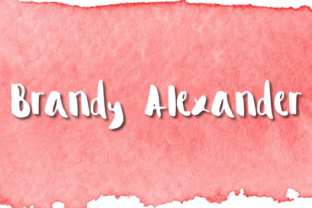
Brandy Alexander is a handwritten brush font that digitally recreates the look and feel of brush pen lettering. Designed by Elizabeth Jane, it stands apart from more rigid or uniform script fonts by emphasizing natural variation, fluid strokes, and a casual rhythm. The characters often display slight inconsistencies in thickness and connection, which is typical of genuine hand lettering. This gives the font an organic, spontaneous quality.
The design leans heavily into a playful and approachable aesthetic. It is not a formal calligraphy script, nor a basic cursive typeface. Instead, it occupies a middle ground where personality and legibility intersect, specifically optimized for display purposes. The font typically includes upper and lowercase characters, numerals, and standard punctuation, providing a functional toolkit for short-form textual applications.
Why Consider Brandy Alexander? Reasons for Interest
Designers and content creators often turn to fonts like Brandy Alexander when they need to break away from sterile, corporate typography. The primary appeal is its ability to convey a personal touch. In an era of digital saturation, handmade aesthetics can help a project feel more relatable and trustworthy.
There are several specific reasons this font might find a place in your design system:
- Building a Creative Brand Identity: It suits brands that prioritize artistry, craft, or small-batch authenticity.
- Enhancing Visual Impact: As a headline or title font, its energetic strokes create a strong focal point on a page or screen.
- Conveying Specific Emotions: The playful curves can evoke friendliness, warmth, and even a sense of nostalgia.
- Differentiation: It helps a project stand out from competitors that rely on more common or generic typefaces.
These factors make it a compelling option for specific design contexts. However, a thorough evaluation requires balancing these benefits against practical limitations.
Evaluating the Benefits and Tradeoffs
Every typeface comes with a set of tradeoffs. Making a confident choice with Brandy Alexander requires acknowledging both what it does well and where it struggles.
Benefits of Using Brandy Alexander
- Strong Visual Personality: The font immediately communicates creativity and informality. It is not neutral, which can be a significant advantage when the goal is to express character.
- Authenticity: The brush strokes mimic human motion, making digital communication feel more spontaneous and less automated. This is particularly valuable for social media content or packaging that aims to feel artisanal.
- Effective for Short Copy: For headlines, slogans, quotes, or product names, the font creates a memorable visual impression.
Tradeoffs and Key Considerations
- Legibility Constraints: This is strictly a display font. Attempting to use Brandy Alexander for body text or at very small sizes will result in poor readability. The casual letterforms and brush textures can blur together in dense paragraphs.
- Stylistic Pairing Complexity: A font with such a distinct personality requires careful pairing. It typically needs to be balanced with a simple, neutral sans-serif or serif font. This limits its role as a workhorse typeface in a comprehensive typographic system.
- Tone Limitations: The playful nature of the font can undermine credibility in formal or highly professional contexts. It is not suitable for legal documents, financial reports, or corporate communication where a serious tone is required.
- Licensing Costs: As with most commercial fonts, proper licensing is required. Depending on the distributor and intended use (desktop, web, app), the cost must be factored into the project budget.
Practical Decision-Making: Where Does It Fit Best?
Determining if Brandy Alexander aligns with your goals depends largely on your audience, your message, and the medium you are working with.
Strong Fit Scenarios
The font excels in environments where a creative and personal aesthetic is a priority.
- Creative Branding: Ideal for boutique shops, coffee houses, bakeries, artists, and lifestyle bloggers.
- Event Collateral: A natural choice for wedding invitations, party announcements, and greeting cards.
- Digital Media: Works well for YouTube thumbnails, Instagram quote cards, blog headers, and email marketing banners where visual engagement is key.
- Product Packaging: Suitable for labels on craft beverages, handmade soaps, candles, and gourmet food items that want to emphasize a handcrafted origin.
Weak Fit Scenarios
There are clear situations where alternatives should be considered.
- Corporate Documents: Annual reports, proposals, and formal presentations require clarity and neutrality.
- Academic and Long-Form Content: Research papers, e-books, and detailed articles need highly legible, unobtrusive typefaces for extended reading.
- Complex User Interfaces: Navigation menus, error messages, and data-heavy dashboards demand precision and immediate readability.
- Professional Services: Law firms, medical practices, and financial advisors generally require typefaces that convey stability and trust through formal design.
Practical Tips for Implementation
If you decide that Brandy Alexander fits your project, a few practical steps can improve the outcome.
- Prioritize Font Pairing: Use it primarily for display text. Pair it with a clean, neutral sans-serif font like Montserrat, Open Sans, or Lato for body copy and secondary elements. This contrast allows the script to shine without overwhelming the viewer.
- Test for Legibility: Always preview the font at your intended size and on your target medium. What looks great as a large headline may be unreadable at 16 pixels on a mobile screen or small print.
- Check Accessibility: Ensure sufficient color contrast, especially if the font is placed over images or busy backgrounds. The organic edges of brush fonts can easily blend into cluttered visual environments.
Considering Alternatives
It is often helpful to compare Brandy Alexander with other typeface categories to clarify its role. If your evaluation reveals that its playful style is either too strong or not quite right, other options exist.
- If you need a more polished script: Fonts like Pacifico or Lobster offer a similar friendly feel but with more predictable and consistent letterforms.
- If you need a more formal handwritten look: Elegant calligraphy scripts such as Great Vibes or Alex Brush convey sophistication while retaining a human quality.
- If legibility is your top priority: A clean humanist sans-serif like Source Sans Pro or a classic serif like Merriweather will always outperform a brush font for body text.
- If you need a rustic or grunge aesthetic: There are textured brush fonts specifically designed to mimic rough paint strokes, which may suit an edgier brand identity.
Comparing these alternatives against your specific project constraints—such as audience expectations, medium, and budget—allows for a more confident final selection.
Conclusion: Making an Informed Choice
The Brandy Alexander handwritten brush font by Elizabeth Jane is a specialized design tool. Its strengths lie in its expressive personality and its ability to add a personal, approachable touch to visual communication. For projects in creative branding, event design, and digital content, it can be a powerful asset. However, its limitations in legibility and formal tone mean it is not a universal solution.
By weighing the font's distinct character against the practical demands of your project, you can determine whether Brandy Alexander supports your objectives or if an alternative typeface would better serve your needs. Effective typography is about matching the right tool to the right task, and a clear-eyed evaluation is the best way to ensure your design communicates exactly what you intend.