The Art of Expressive Typography: Why Mr. Duff Is Redefining Script Fonts for Modern Creatives
Typography has always been a silent partner in communication, but in today’s visual-first landscape, it speaks louder than ever. Brands, creators, and businesses are moving away from sterile, generic typefaces and toward fonts that carry personality, texture, and a sense of human touch. Enter Mr. Duff — a playful, smooth script font that feels as if it were painted with a thick brush, yet rendered with digital precision. Available in Regular, Bold, and Light variations, Mr. Duff offers a versatile toolkit for anyone looking to inject warmth, movement, and authenticity into their projects. This article explores what Mr. Duff is, why it matters in the current creative and business environment, and how it reflects broader shifts in design expectations and audience preferences.
What Is Mr. Duff? A Closer Look at the Font That Feels Painted
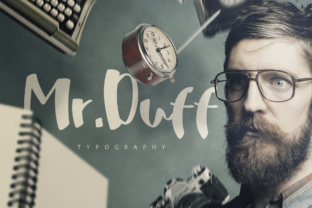
At its core, Mr. Duff is a digitally crafted script typeface that deliberately mimics the appearance of brush-painted lettering. The letters are smooth and rounded, with flowing strokes that suggest motion and spontaneity. Unlike many script fonts that feel rigid or overly formal, Mr. Duff carries a relaxed, approachable energy. Its thick lines and soft curves give it a tactile quality — as though each character was carefully applied with paint on canvas. This visual texture is what sets it apart, making it ideal for projects that need to feel handcrafted without sacrificing digital clarity.
The Three Variations and Their Distinct Personalities
Mr. Duff comes in three weights, each with a unique character:
- Mr. Duff Regular – The standard weight strikes a balance between boldness and readability. It works well for headlines, logos, and short to medium-length text where you want the painted feel to be noticeable but not overwhelming.
- Mr. Duff Bold – This variation amplifies the brush-stroke aesthetic. The thicker lines make it ideal for hero titles, packaging, and any context where you need immediate visual impact. It commands attention without feeling aggressive.
- Mr. Duff Light – The light version offers a softer, more delicate rendition of the same painted style. It is perfect for subheadings, pull quotes, or when you want the handcrafted feel in a more understated way. It retains the smooth, slick qualities of the family while allowing breathing room in layouts.
Together, these weights give designers the flexibility to maintain a consistent visual language across different levels of hierarchy, from bold brand statements to subtle accents.
The Technology Behind the Brush-Stroke Aesthetic
What makes Mr. Duff especially relevant is the technology that enables its look. The font is built with smooth vector curves that replicate the natural variation of a brush stroke. This includes slight inconsistencies in thickness and subtle rounding at the ends of strokes — details that would have been difficult to achieve in earlier font technologies. The result is a typeface that feels organic and hand-drawn, yet works seamlessly in digital environments. This fusion of analog warmth and digital precision is exactly what modern creators are looking for: authenticity that doesn't break under technical constraints.
The Growing Demand for Authentic, Hand-Crafted Visuals in a Digital World
We are living in an era of artisanal revival. From handmade ceramics to craft coffee branding, consumers and audiences increasingly value things that feel personal, imperfect, and human. This trend extends directly to typography. The market is saturated with clean, minimalist sans-serifs and geometric fonts, and while they have their place, there is a rising hunger for typefaces that convey emotion and character. Mr. Duff fits squarely into this movement.
Why Audiences Crave Human Texture
In a digital environment dominated by screens and algorithms, people are drawn to visual cues that feel tangible. A font like Mr. Duff, with its painted appearance, triggers an emotional response. It suggests the work of a human hand, which in turn implies care, creativity, and authenticity. For brands and creators, using such a font can signal that they are not just another automated entity — they are thoughtful, artful, and connected to craft. This is particularly potent on social media, where audiences scroll past thousands of polished images and are more likely to pause at something that looks handmade.
How Mr. Duff Bridges the Gap Between Digital Precision and Hand-Drawn Warmth
Traditionally, using hand-drawn typography meant commissioning custom lettering, which was time-consuming and expensive. Or it meant scanning and digitising analog artwork, often resulting in inconsistent quality. Mr. Duff solves this by providing a ready-made, professionally crafted alternative that retains the spirit of hand-painted letters. It works as a web font, in design software, and across print media without degradation. This makes it accessible to freelancers, small businesses, and large agencies alike — anyone who wants that handcrafted look without the overhead of bespoke illustration.
How Mr. Duff Fits Into Broader Creative and Business Trends
Mr. Duff is not just a font; it is a response to several converging forces in design, marketing, and consumer behaviour. Understanding these forces helps explain why a script typeface can have such strategic value.
Brand Storytelling and the Rise of Bespoke Typography
Brands today are expected to tell stories. Logos, packaging, and digital presence all contribute to a narrative. Typography plays a central role in setting the tone. Mr. Duff’s playful, smooth character is ideal for brands that want to communicate creativity, joy, craftsmanship, or approachability. For example, a coffee roaster using Mr. Duff Bold on its bags signals that the product is artisanal. A children’s book publisher using Mr. Duff Regular on covers suggests playfulness and warmth. The font becomes part of the story, reinforcing the brand’s identity without needing extra explanation.
Social Media, Thumb-Stopping Content, and the Role of Playful Fonts
On platforms like Instagram, Pinterest, and TikTok, visual differentiation is critical. Content that stops the scroll often features bold, unique typography. Mr. Duff’s thick brush-like strokes are especially effective in this context: they read well at small sizes on mobile screens, and they convey a sense of energy that static, uniform fonts lack. Creators use Mr. Duff to overlay quotes, create title cards, and build consistent aesthetic feed themes. Its presence signals a curated, personality-driven brand rather than a generic template.
From Packaging to Web Design – Practical Applications
The versatility of Mr. Duff across media is one of its strongest attributes. In packaging, the Bold weight works beautifully for product names and flavour descriptors. In web design, Regular and Light can be used for hero headings or section titles, while the light version can handle body text in short segments. It also pairs well with clean sans-serif fonts for a balanced contrast. Many designers are using Mr. Duff as a statement font — the one element in a layout that carries the emotional weight of the project.
Why Professionals and Entrepreneurs Are Paying Attention
Typography choices have real business implications. Professionals and entrepreneurs are increasingly recognising that the right typeface can improve conversion rates, enhance brand recall, and communicate professionalism without being cold. Mr. Duff has gained attention because it offers a distinct advantage: it delivers a premium, handcrafted look without requiring a dedicated illustrator or custom font development.
Efficiency Without Sacrificing Aesthetic Quality
Time is a premium resource for freelancers and small business owners. Mr. Duff allows them to achieve a bespoke, high-quality look quickly. Because it comes in three weights, they can build a consistent visual system with a single font family. This efficiency is not just about speed — it is about reducing the number of design decisions needed while still delivering a polished outcome. For a bootstrapped startup, that is a significant advantage.
Standing Out in a Saturated Visual Landscape
In almost every industry, competition is intense. Using a font that feels unique and expressive helps a brand differentiate. Mr. Duff’s painted aesthetic is distinctive enough to stand out from the crowd of generic typography, yet it is versatile enough to be used across various contexts. Early adopters of such typefaces are often perceived as more innovative and design-savvy, which can translate to a competitive edge.
Practical Examples of Mr. Duff in Action
To illustrate the practical value of Mr. Duff, consider how it might be used in specific real-world scenarios:
E-Commerce and Product Branding
An online store selling artisanal soaps uses Mr. Duff Bold for product names and Mr. Duff Light for ingredient descriptions. The bold weight catches the eye on category pages, while the lighter weight maintains a soft, natural feel on product detail pages. The consistent brush-stroke theme reinforces the handmade nature of the products.
Editorial Design and Digital Publishing
A lifestyle magazine uses Mr. Duff Regular for section headings and pull quotes. The font’s playful character adds a layer of personality to interviews and feature articles, helping the publication feel more like a conversation than a lecture. It is especially effective for quote callouts, where the painted aesthetic makes the words feel more personal and emphatic.
Marketing Collateral and Campaign Headlines
A creative agency launches a campaign for a local festival. They use Mr. Duff Bold for the main headline on posters, social media graphics, and email headers. The font’s thick strokes ensure readability even at large sizes, and its cheerful, smooth appearance evokes the celebratory spirit of the event. The same font family is used in lighter weights for supporting text, creating a cohesive campaign identity.
Changing Workflows and Expectations in Typography
The rise of versatile, expressive typeface families like Mr. Duff reflects broader changes in how designers and content creators approach their work. The old model of using a single-weight font for everything has given way to more flexible systems that can adapt to different contexts without losing brand cohesion.
The Shift Toward Flexible, Character-Rich Type Families
Professionals now expect a typeface to offer multiple weights, often within a single family, so they can maintain a unified visual language across different media. Mr. Duff’s three variations serve this need directly. This flexibility reduces the need to mix and match fonts from different families, which can lead to visual dissonance. Having Regular, Bold, and Light versions of the same core aesthetic allows for hierarchy and emphasis while keeping the overall look consistent.
Why a Single Font with Multiple Weights Matters for Scalable Design
For any growing business or creative practice, scalability is key. A brand that starts with a single product line may later expand to multiple categories, and its typography needs to scale with it. Mr. Duff’s family structure allows expansion without rebranding. The same font family can handle everything from a small button label to a large billboard headline, with the appropriate weight for each context. This is a practical advantage that saves time, money, and future headaches.
Conclusion – Why Mr. Duff Represents a Larger Shift in Visual Communication
Mr. Duff is more than a font; it is a reflection of where design is heading. As audiences grow more resistant to sterile, mass-produced visuals, the demand for authenticity, warmth, and craftsmanship will only increase. Typefaces like Mr. Duff — with their painted, human quality and digital reliability — are poised to become essential tools in the creative arsenal. Whether you are a seasoned designer, a business owner crafting your brand, or a content creator looking for an edge, Mr. Duff offers a practical, expressive solution that works across media and scales with your ambitions. Its three variations provide the versatility needed for modern workflows, while its smooth, brush-stroke aesthetic delivers the emotional resonance that today’s audiences expect. In a world that craves connection, Mr. Duff speaks with a voice that is both playful and professional — and that is a rare and valuable combination.