The Anomali: Hand-Painted Handwriting Font for Creators
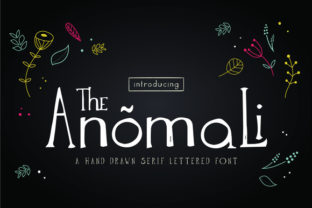
If you have ever searched for a handwritten font that feels genuine instead of robotic, you have likely sifted through dozens of options that all look a little too perfect. Many handwritten typefaces are simply digital drawings designed to mimic handwriting, but they often lack the organic warmth of actual ink on paper. The Anomali takes a different approach. This typeface is built from real hand-painted letterforms, giving each character a natural, imperfect charm that still remains highly readable. Whether you are designing a wedding invitation, building a brand identity, or crafting social media graphics, this font bridges the gap between artistic expression and practical legibility.
What Makes a Hand-Painted Font Different
Most handwritten fonts fall into one of two categories: they either look beautifully messy but are difficult to read, or they are clean and structured but lose the human touch. The Anomali avoids both extremes. Because each letter was physically painted by hand, the strokes carry subtle variations in thickness, spacing, and tilt. These variations are exactly what our eyes recognize as natural handwriting, which makes the font feel personal and approachable. Yet the designer carefully balanced these organic qualities so that words and sentences remain clear even at smaller sizes. This balance is harder to achieve than it sounds, and it is the main reason this font works across so many applications.
Hand-painted fonts also tend to age better visually. Trends in graphic design shift quickly, but a typeface rooted in real human craftsmanship rarely feels dated. If you are someone who values long-term consistency in your visual work, that kind of timeless quality matters.
Who Benefits from a Versatile Handwritten Font
The audience for The Anomali is broader than you might expect. While calligraphy enthusiasts and professional graphic designers certainly appreciate the craftsmanship, the font is equally useful for people who do not consider themselves designers at all.
- Small business owners often need to create their own marketing materials without a dedicated design team. A font that looks polished and approachable can elevate a simple flyer or product label instantly.
- Bloggers and content creators rely on consistent visual branding across posts, thumbnails, and banners. A handwritten font that remains readable on mobile screens is especially valuable when your audience is scrolling quickly.
- Freelancers and entrepreneurs frequently build personal brands around their personality and expertise. Using a typeface that feels handcrafted communicates authenticity without requiring extra design skills.
- Educators and hobbyists use fonts for worksheets, presentations, or personal projects where a friendly tone matters more than corporate formality.
Even if you are just starting out with design software, The Anomali is forgiving. Its consistent weight and spacing mean you do not need advanced typography knowledge to make it look good. You can drop it into a layout and trust that it will work.
Where The Font Shines in Real Projects
Understanding where a font performs best helps you avoid frustration later. The Anomali is not a one-size-fits-all solution, but its versatility covers a surprising amount of ground.
Digital Design and Screen Use
On screens, handwritten fonts often struggle at small sizes because fine details get lost or become fuzzy. Because The Anomali was designed with balanced stroke widths, it retains clarity even at sizes around 14 to 16 pixels. This makes it suitable for website headings, email headers, and social media posts. For body text on blogs or newsletters, pairing it with a simple sans-serif font keeps the layout readable while preserving the handwritten accent in your titles. If you run an online store, using this font for product descriptions or banner text gives your shop a more personal feel compared to generic system fonts.
Print Materials and Physical Products
Print is where hand-painted fonts truly come alive. Because the original letterforms were created with physical paint, the ink on paper effect translates beautifully to printed pieces. Wedding stationery, save-the-date cards, and thank-you notes benefit from the warmth of real handwriting without sacrificing professionalism. Small businesses can use it for business cards, menu boards, or packaging labels where a friendly, artisanal vibe supports their brand story. Even something as simple as a flyer for a local event feels more inviting when the headline is set in a typeface that looks like someone painted it with care.
Branding and Identity Projects
Building a brand identity often involves choosing a primary typeface that reflects the company character. The Anomali works well for brands in creative industries, hospitality, wellness, or lifestyle sectors. Its readability means it can function as a display font for logos while also being usable in short taglines or social media headers. If you are developing a brand guide for a client or for your own venture, this font provides a distinctive voice without overwhelming the overall design. It works particularly well when paired with clean layout structures and minimal color palettes.
Practical Observations Before You Download
Before you add The Anomali to your collection, it helps to consider a few practical aspects that affect how it will work in your specific projects.
Licensing matters more than you think. Always check the license terms before using any font in commercial work. Some handwritten fonts restrict usage in logos, merchandise, or digital products. Make sure your intended use is covered to avoid legal headaches later. This is especially important if you are designing for clients or selling products that include the font.
Pairing with other typefaces takes a little thought. Because The Anomali is expressive, it pairs best with neutral, understated fonts that do not compete for attention. A clean sans-serif like a classic Helvetica or a simple serif works well for body text. Avoid pairing it with another handwritten or decorative font, as the visual noise can confuse the reader. If you are unsure, stick to one font family for body copy and reserve the handwritten style for headlines and accents.
Test it at various sizes early. Before committing to a full design, preview The Anomali at the sizes you plan to use. What looks elegant at 72 points may feel too loose at 12 points. Fortunately, this font handles scaling well, but testing saves you from redoing layouts later. Most font marketplaces offer trial downloads or preview tools, so take advantage of those before purchasing.
Consider your audience expectations. Handwritten fonts convey personality, but they also set a tone. If your audience expects formal or highly professional communication, a handwritten style might feel too casual. For creative brands, personal projects, or small businesses, the approachable tone is usually an asset. Trust your judgment about what fits your specific context.
Getting Started Without Overthinking
If you are new to working with unique fonts, do not let the options overwhelm you. The Anomali is one of those rare typefaces that does most of the heavy lifting on its own. You do not need to overdesign around it. A simple layout with plenty of white space allows the hand-painted details to stand out naturally. Try using it for a single element first, like a page title or a logo draft, and see how it feels. Often, the best designs come from letting the font do its job rather than forcing it into a complicated composition.
For those who already have some design experience, experiment with layering the font over textured backgrounds or subtle watercolor effects. Because the letterforms were originally painted, they interact well with organic textures. This can create a cohesive look that feels intentionally crafted from start to finish.
Ultimately, The Anomali earns its place in your font library by being both beautiful and useful. It respects your time by being readable without extra effort, and it respects your creative vision by offering genuine hand-painted character. Whether you are designing for print or digital, for yourself or for clients, this typeface gives you a reliable tool that adds warmth without sacrificing clarity.