Latinbrush: A Handcrafted Script Font for Authentic Brand Storytelling
In a digital landscape saturated with clean sans-serifs and uniform typefaces, standing out often comes down to the emotional resonance of your visual identity. Many designers, business owners, and content creators face a common challenge: how to convey warmth, craftsmanship, and personality without sacrificing readability or professionalism. The answer often lies in the thoughtful use of script typography. Among the available options, Latinbrush has emerged as a distinctive choice for those seeking a hand-painted, organic feel that bridges traditional artistry with modern application. This article explores how Latinbrush addresses real-world design needs and offers practical ways to integrate this versatile font into your projects.
What Is Latinbrush and Why Does It Matter?
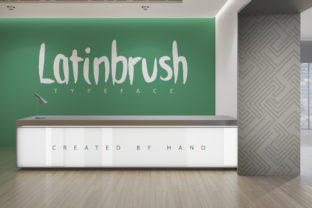
Latinbrush is a hand-painted script font created by type designer Pere Esquerrà. Unlike many digital fonts that rely on geometric precision, Latinbrush captures the imperfect, expressive quality of brush lettering. Each character carries the subtle variations in stroke weight, texture, and rhythm that you would expect from a custom paintbrush on paper. This authenticity matters because audiences today are increasingly drawn to brands and content that feel human, approachable, and genuine. A font that mimics mechanical perfection can sometimes feel cold or impersonal, but Latinbrush injects warmth and character into any layout.
For creative professionals, small business owners, and even hobbyists, the need for a typeface like Latinbrush often arises from a specific pain point: the difficulty of achieving a bespoke, hand-lettered look without the time, cost, or skill required to commission custom calligraphy. Latinbrush offers a practical, ready-to-use solution that still feels one-of-a-kind.
Overcoming the Challenge of Authenticity in Digital Design
One of the biggest hurdles in modern visual communication is finding the balance between polished branding and human connection. Many script fonts lean too far toward formality (think elegant wedding invitations) or casualness (think chalkboard signs at a farmers market). Latinbrush sits in a sweet spot. Its brushstrokes are confident yet approachable, making it suitable for a wide range of contexts where you need to convey both credibility and personality.
Consider a small coffee roastery trying to build a brand identity. They want to communicate the artisanal nature of their product, but they also need a logo and packaging that looks professional enough to compete on shelves. Using Latinbrush for the brand name immediately signals care, craftsmanship, and a human touch. Pair it with a clean sans-serif for body text, and you have a visual system that feels curated, not cluttered. This is exactly the kind of practical outcome that Latinbrush enables without requiring hours of custom lettering work.
Small Business Owners and Entrepreneurs
If you are launching a brand or rebranding an existing one, you likely have limited time and budget. Latinbrush can serve as your primary display font for logos, product labels, website headers, and social media graphics. Its hand-painted quality suggests a small-batch, authentic operation—ideal for businesses in the food, beverage, beauty, or wellness industries. For example, a handmade soap company could use Latinbrush for product names and taglines, instantly communicating that the products are crafted with care. The font eliminates the need to hire a lettering artist for every new product launch, saving both money and production time.
Graphic Designers and Creative Professionals
For designers, versatility is key. Latinbrush works well in posters, editorial layouts, packaging, and even video titles. Its natural texture adds depth to digital designs that might otherwise feel flat. When working on a mood board or a client pitch, using Latinbrush can help convey the intended emotional tone right from the start. It also pairs beautifully with serif fonts for a contrast between old-world charm and contemporary structure, or with minimalist typefaces for a more subdued, elegant look. Designers often need a font that performs well at larger sizes, and Latinbrush shines in headlines and hero sections where its brush details are most visible.
Content Creators and Social Media Managers
Whether you are running an Instagram account, a YouTube channel, or a blog, your thumbnails, covers, and quote graphics need to stop the scroll. Latinbrush adds a handwritten, personal feel that can make your content feel more relatable. Using it for pull quotes, section headers, or call-to-action overlays can increase engagement because the text feels less like a corporation speaking and more like a person sharing an idea. For creators who want to establish a consistent visual brand, Latinbrush can become a signature element that followers recognize instantly.
How to Implement Latinbrush Effectively
Getting the most out of Latinbrush involves more than just installing the font and typing away. Here are some practical recommendations for achieving professional results.
First, consider pairing Latinbrush with complementary typefaces. Because Latinbrush has a strong personality, it works best in short bursts—headlines, names, or single lines. For body copy or longer text, choose a clean, neutral font that does not compete for attention. A simple sans-serif like Open Sans, Lato, or Montserrat allows Latinbrush to remain the star while keeping your layout readable and balanced.
Second, pay attention to spacing and alignment. Hand-painted fonts often have natural kerning variations, but you may still need to adjust letter spacing manually for specific words or logos. Most design software allows you to tweak kerning, so take a few extra minutes to ensure that your chosen word looks balanced. This small step can make the difference between a font that looks "off" and one that looks intentional.
Third, use texture and background effects to amplify the hand-painted feel. Placing Latinbrush on a subtle paper texture, a muted watercolor wash, or a dark background can make the brushstrokes pop and reinforce the artisanal aesthetic. Avoid overly glossy or neon backgrounds that clash with the organic nature of the font.
Matching Latinbrush to Your Project Goals
Different users will approach Latinbrush with different objectives. A wedding invitation designer might use it for a formal yet warm header, while a tech startup might use it in a social media campaign to humanize their brand. The key is to match the font's tone to your message. If your goal is to build trust and approachability, Latinbrush can help you achieve that. If you need to convey urgency or high-tech precision, this may not be the right choice. Knowing when to use a script font versus a more neutral option is part of developing a strong design instinct.
For print projects, Latinbrush holds up well on posters, flyers, and signage because its bold strokes remain legible at a distance. For digital projects, ensure that it renders clearly on different screen sizes, especially on mobile devices where fine details may be lost. Testing your designs on multiple devices before finalizing is always a good practice.
Considerations Before You Commit
While Latinbrush is highly versatile, it is not a universal solution. Because it is a script font, it may not be suitable for long-form reading or complex data presentations. Reserve it for moments where you want to make an impact. Additionally, consider licensing. Like many professional fonts, Latinbrush may require a commercial license for use in branding, merchandise, or advertising. Always check the terms of use for your specific projects to avoid legal issues down the line.
Another practical consideration is multilingual support. Latinbrush may not include extended character sets for languages outside the Latin alphabet. If your project requires accented characters or non-Latin scripts, verify coverage before building your layout. This is an often-overlooked step that can save you from redesigning later.
The Real Value of Choosing a Hand-Painted Font
At its core, choosing Latinbrush is about making a deliberate decision to prioritize humanity in your design. In a world where automation and templates dominate, a font that nods to traditional craftsmanship can set your work apart. It tells your audience that you care about details, that you value the tactile and the personal. Whether you are a freelancer building your portfolio, a marketer refreshing a brand, or a small business owner launching a passion project, Latinbrush gives you a tool to express that care without needing to master the brush yourself.
The font does not just look good—it solves a real problem: how to create visually compelling, emotionally resonant content efficiently. By understanding where and how to use it, you can leverage Latinbrush to strengthen your communication and connect more deeply with the people you are trying to reach. That combination of practicality and artistry is what makes it a valuable addition to any designer's toolkit.
Ultimately, the best typography choices are those that serve your message and your audience. Latinbrush serves well when warmth, authenticity, and a handcrafted feel are central to your story. Take the time to explore how it fits into your specific workflow, and you will likely find that it opens up new creative possibilities while keeping your projects grounded in a human-centered approach.