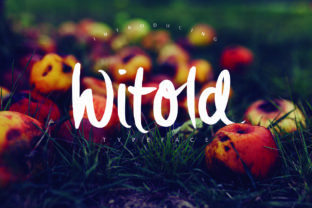
Hannah: A Water-Paint Font for Intentional Branding and Communication
Choosing a typeface is rarely a neutral decision. Every font carries visual weight, emotional tone, and associative meaning that shapes how people interpret your message. Hannah, a water-paint font that mimics the organic flow and soft edges of brush-and-watercolor lettering, is not a conventional choice for most professional contexts. But that singular character is precisely where its strategic value lies. Used thoughtfully, Hannah can signal authenticity, warmth, and a human-centered approach that many audiences find disarming and memorable. The key is understanding when this aesthetic works, when it undermines your goals, and how to deploy it with intention rather than impulse.
What Hannah Is and Why It Demands Strategic Attention
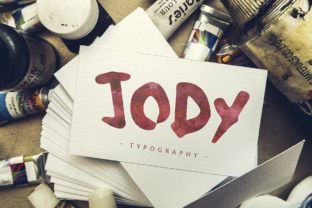
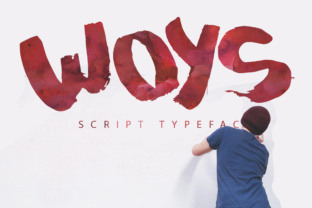
Hannah is a water-paint display font that replicates the look of lettering created with a wet brush and diluted pigment. The strokes vary in width, the edges are soft and irregular, and the overall impression is one of handcrafted imperfection. Unlike crisp vector fonts built for uniformity, Hannah embraces variation—each character appears slightly different, as if painted by hand. This is not a font designed for body text or dense paragraphs. It is a visual accent, a statement face that works best when used sparingly and in service of a specific emotional or branding goal.
From a strategic standpoint, Hannah offers something that many clean, neutral typefaces cannot: personality. In saturated markets where brands fight for attention, a font that looks unmistakably human can break through the noise. It suggests that a person, not a corporation, is behind the message. It invites a slower, more thoughtful reading. For entrepreneurs, creators, and small business owners, that perception can be a powerful differentiator—especially when your audience values craft, individuality, or a personal connection over scale and efficiency.
Strategic Use Cases: Where Hannah Supports Positioning and Communication
The most effective uses of Hannah are those that align with a brand's core identity and the specific emotional tone you want to convey. Consider a wellness coach or holistic health practitioner who emphasizes natural remedies, slow living, and personalized care. Using Hannah on a website hero section, a workshop invitation, or a social media graphic reinforces the brand's alignment with organic, human-scale values. The font's water-paint texture evokes handmade materials, artisanal processes, and a gentle, unhurried pace. It tells a story before a single word is read.
Similarly, creators who sell digital products like planners, journals, or printable art can use Hannah to establish an aesthetic that feels warm and approachable. A product mockup featuring Hannah headings signals that the item is designed with care and a personal touch—attributes that often justify higher perceived value. For freelancers such as illustrators, calligraphers, or surface pattern designers, Hannah can serve as a signature element that strengthens a visual identity and makes portfolios feel cohesive and intentional.
Marketers planning campaigns around seasonal themes, limited editions, or cause-driven initiatives may also find Hannah effective. Its hand-painted quality lends itself to messages about community, gratitude, sustainability, and celebration. A holiday email series or a landing page for a charitable collaboration can benefit from a font that feels generous rather than transactional. The key is to reserve Hannah for moments when you want to slow the reader down and create an emotional touchpoint—not for every headline or call-to-action.
How to Approach Hannah Without Undermining Your Message
Strategic use of Hannah begins with context. Before adding it to any project, ask what role the typeface will play in achieving your communication objective. If your goal is clarity, speed, or authority—such as in legal documents, product specifications, or instructional content—Hannah is likely a poor fit. Its irregular readability and decorative nature work against quick scanning and unambiguous comprehension. Reserve it for contexts where emotional resonance matters more than information density.
Pairing Hannah with a simple, highly legible complement is essential for maintaining usability. A clean sans-serif or a neutral serif for body text, captions, and secondary headings creates contrast and prevents fatigue. Let Hannah be the visual anchor while its partner handles the functional load. This pairing mirrors good design strategy: one element carries personality, the other carries clarity. Both are necessary, but they serve different roles.
Consider scale and placement carefully. Hannah performs best at larger sizes where its water-paint texture can be appreciated without straining readability. Use it for main headings, pull quotes, logos, decorative accents, or short callout phrases. Avoid using it in long paragraphs, small footer text, or dense navigation menus. The moment a reader has to work to decipher your font, you have introduced friction that undermines trust and engagement.
Risks of Using Hannah Without Clear Goals or Context
The most common mistake with decorative fonts like Hannah is assuming that visual appeal alone justifies their use. A font that looks beautiful in isolation can confuse or alienate an audience if it clashes with the brand's existing identity, the medium it appears on, or the expectations of the target reader. A financial planning firm using Hannah for a retirement guide would likely create cognitive dissonance. The font's soft, artistic tone contradicts the precision and reliability expected in that context. The result is not differentiation—it is confusion.
Another risk is overuse. When Hannah appears everywhere—on every heading, every button, every image—its distinctive quality becomes noise. The very uniqueness that makes it powerful is diluted. Readers stop noticing the handcrafted feel because they have been desensitized to it. Strategic frequency matters: limit Hannah to one or two applications per page or piece of collateral to preserve its impact.
Technical considerations also matter. Water-paint fonts may render inconsistently across different devices, browsers, or printing methods. A subtle texture that looks elegant on a high-resolution screen can appear muddy or illegible when printed on standard office paper or displayed on a low-cost monitor. Always test Hannah in the environments where your audience will encounter it. Request print proofs, check mobile views, and adjust size or fallback options if needed.
Planning for Long-Term Branding and Operational Consistency
If you decide to make Hannah a recurring element in your brand toolkit, invest in clear usage guidelines. Document where the font should be used, at what minimum size, with which complementary typefaces, and in what color treatments. Share this guidance with anyone who produces content for your brand—team members, freelancers, agencies—to prevent drift and inconsistency. A font that is applied inconsistently undermines brand recognition and professional credibility.
For small business owners and solo operators, consider how Hannah will fit into the broader customer experience. If your website uses Hannah for headings, should your email templates, social media graphics, and print materials follow suit? Consistency across touchpoints reinforces the emotional tone you are building. A customer who sees Hannah on a product page, then again in an order confirmation email, and again in a thank-you card feels a thread of intentionality running through the interaction. That sense of care can translate into loyalty, referrals, and repeat business.
Using Hannah to Support Creativity and Productivity
For creative professionals and educators, Hannah can also serve an internal function. Using a distinctive, visually evocative font in brainstorming materials, mood boards, or presentation decks can shift your own mindset. It signals a departure from routine, a permission to think differently. This may seem minor, but small environmental cues influence cognitive framing. A font that feels fresh and handmade can spark ideas that a default system font would not. If you design for others, experimenting with Hannah in early-stage work can open conceptual directions you might otherwise overlook.
Similarly, bloggers and publishers covering topics like art, craft, lifestyle, or personal development can use Hannah to set a tone that feels intimate and reflective. A single Hannah headline on a blog post about creative habits or slow living tells the reader this is a space for thoughtful exploration, not rapid consumption. It sets expectations and filters for the right audience. Over time, that visual consistency builds a loyal readership that trusts the content's sensibility.
Decision-Making Guidance: Asking the Right Questions Before Committing
Before integrating Hannah into any project, run through a short strategic checklist. What is the primary goal of this communication—to inform, persuade, inspire, or build connection? Does the audience expect a polished, corporate tone or a personal, artisanal one? Will Hannah appear at a size and place where its texture is visible and appreciated, or will it be lost or distracting? Is there a simpler way to achieve the same emotional effect without sacrificing readability? If Hannah passes these checks, it is likely a deliberate choice rather than a decorative impulse.
Remember that the most effective design decisions are those that serve the message, not the medium. Hannah is a tool, not an identity. When it helps your audience feel something that supports your purpose, it is working. When it draws attention to itself without advancing your goal, it is working against you. Approach it with the same discipline you apply to other strategic choices—budget allocation, channel selection, messaging hierarchy—and you will get results that justify the effort.
Long-Term Value Through Intentional Use
Fonts like Hannah rarely go viral or dominate trends. Their value is quieter but more durable. A brand that uses a distinctive typeface with restraint and consistency builds a visual language that stands out in a sea of sameness. Over months and years, that language becomes shorthand for the experience customers can expect. It becomes part of your operational DNA—a small but meaningful signal of the care you put into every touchpoint.
For entrepreneurs, creators, and professionals who operate at a human scale, that kind of recognition is worth more than any one campaign. It builds the kind of trust that cannot be bought. Hannah, used intentionally, is one way to cultivate that trust—one painted letter at a time.