The Unmistakable Character of Sekula: Exploring a Hand-Painted Typeface by Pere Esquerrà
In a digital landscape saturated with clean, vector-perfect typefaces, finding a font that carries the soul of handcraft is a rare pleasure. Sekula, a strong hand-painted font designed by Pere Esquerrà, offers exactly that: a raw, expressive tool for designers who want their work to feel human, grounded, and memorable. Unlike fonts that aim for neutrality, Sekula leans into its own personality, making every letterform feel like a deliberate brush stroke rather than a mechanical output. For creative professionals, business owners, and educators alike, understanding how to wield such a typeface can transform a project from ordinary to iconic.
A Typeface Born from Brush Strokes
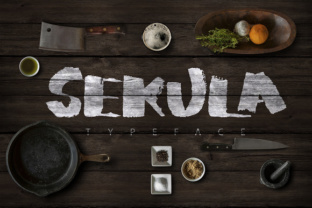
The origins of Sekula lie in the act of painting. Pere Esquerrà, a Spanish type designer known for blending traditional craftsmanship with contemporary needs, crafted this font to preserve the energy of hand-lettering. Each glyph carries slight variations in stroke thickness, edge texture, and baseline rhythm—details that software alone cannot replicate. This is not a font that pretends to be perfect; instead, it celebrates the imperfections that make handwritten work so engaging. When you use Sekula, you are essentially inviting the hand of the artist into your layout, whether for a poster, a logo, or a package design.
What sets Sekula apart from other display fonts is its deliberate weight. It is described as a “strong” hand-painted font, and that strength comes from bold, confident strokes that fill space with presence. The uppercase letters, in particular, command attention without feeling aggressive. The lowercase forms remain readable while still carrying that painterly quality. This balance makes Sekula suitable for headlines, short text blocks, and any context where a human touch is needed.
Key Characteristics That Define Sekula
To use Sekula effectively, it helps to break down its visual DNA. The typeface exhibits several distinct traits:
- Organic Stroke Variation: No two letters are mathematically identical. The width of strokes shifts naturally, mimicking the pressure of a brush on paper.
- Rough Edges and Texture: Instead of crisp vectors, Sekula shows subtle smudges and uneven contours, adding a tactile feel even on screen.
- High Contrast in Weight: Thick downstrokes contrast with thinner upstrokes, creating a dynamic rhythm that draws the eye.
- Expressive Caps: Capital letters often feature sweeping flourishes or unexpected curves, making them ideal for logos or drop caps.
- Modest X-Height: The lowercase letters are relatively compact, which helps maintain legibility when the font is used in sentences rather than single words.
These characteristics mean Sekula is not a workhorse text font. Trying to set an entire novel in it would strain the reader’s eyes. Instead, its power lies in small doses—where it can act as a visual anchor or a signature element.
Real-World Applications: Where Sekula Shines
The versatility of Sekula becomes apparent when you consider the range of projects it can serve. From brick-and-mortar storefronts to digital campaigns, this font injects authenticity into almost any medium.
Bringing Authenticity to Branding
Brands that want to communicate heritage, craftsmanship, or a personal touch often turn to hand-painted fonts. Sekula works especially well for small businesses, artisanal products, and creative agencies. Imagine a coffee roaster’s logo set in Sekula—the rough edges suggest the roasting process, while the bold weight implies strength and tradition. Similarly, a craft brewery might use it on labels to evoke the hand-stamped feel of vintage packaging. The font’s imperfections become part of the brand story, signaling that nothing here is mass-produced.
Enhancing Editorial and Display Work
In magazines, book covers, or posters, Sekula can serve as a dramatic title font. It pairs well with minimal sans-serif body text, offering contrast between humanist energy and mechanical precision. For example, a poster for a music festival could use Sekula for the headliner’s name, while smaller details in a clean sans like Helvetica or Inter provide readability. The hand-painted quality also works well for pull quotes, section headings, or navigational elements in printed brochures. Because Sekula is not overly decorative, it remains readable at moderate sizes, making it practical for editorial use.
Signage and Environmental Graphics
Physical spaces benefit greatly from Sekula’s scale. On walls, windows, or chalkboards, the font’s bold strokes hold up at a distance. A restaurant might paint its daily specials in Sekula on a blackboard, linking the typography to the food’s handmade appeal. In retail stores, directional signs or department labels set in Sekula can reinforce a brand’s artisanal identity. The slight irregularity of the letterforms makes the signage feel less corporate and more welcoming.
Practical Considerations for Designers
While Sekula offers tremendous visual impact, it requires thoughtful implementation. Here are key factors to keep in mind:
- Legibility at Small Sizes: Because of its rough edges and high contrast, Sekula becomes harder to read below 18–24 points. Use it primarily for headlines, logos, and short phrases. For body text, pair it with a clean, neutral font.
- Color and Background Choice: Sekula works best on solid or minimally textured backgrounds. Busy patterns can compete with the font’s organic details. A white or cream background lets the brush textures stand out, while dark backgrounds with light ink create a dramatic, stencil-like effect.
- Letter Spacing and Kerning: Because the letters have uneven shapes, automatic kerning may produce gaps. Manual adjustment is often necessary, especially for logo work. Allow slightly more tracking than you would with a geometric sans to give each letter breathing room.
- Hierarchy and Emphasis: Use Sekula sparingly within a layout. If every element is set in the same hand-painted style, the design loses focus. Reserve it for the most important message, and let other typographic elements support it.
These considerations are not limitations; they are guidelines that help Sekula perform at its best. When used deliberately, the font becomes a tool for directing the viewer’s attention.
Sekula in the Context of Modern Typography
The resurgence of hand-painted and rough typography speaks to a broader cultural shift. Audiences are increasingly skeptical of overly polished digital designs. They crave authenticity, imperfections, and evidence of human effort. Sekula fits perfectly into this trend. It aligns with the “honest design” movement, where brands and creators show their process rather than hiding it.
Compare Sekula to other strong display fonts like Bebas Neue or Oswald. Those fonts are clean, condensed, and geometric. Sekula takes the opposite approach: it is expansive, textured, and organic. Where a geometric sans might convey efficiency, Sekula conveys warmth. This makes it a valuable asset for designers who want to emotionally connect with an audience. For example, a non-progit organization’s campaign poster using Sekula can feel more grassroots and urgent than one set in a cold, corporate face.
Pere Esquerrà’s design philosophy often emphasizes the dialogue between tradition and innovation. Sekula is not a revival of any historical typeface; it is a contemporary interpretation of the hand-painted letter. This forward-looking perspective ensures that the font feels fresh rather than nostalgic. Designers can use it without worrying that it looks dated or derivative.
Tips for Integrating Sekula into Your Workflow
Whether you are a seasoned professional or a business owner designing your own marketing materials, incorporating Sekula requires a shift in mindset. Here are actionable steps:
- Start with a Single Application: Before committing to Sekula across a full brand system, test it on one element—a logo, a flyer headline, or an Instagram post. Observe how it interacts with images, colors, and other type.
- Pair with Soft Sans-Serifs: Fonts like Montserrat Light, Lato, or Proxima Nova complement Sekula’s weight without competing. The contrast between rough and smooth creates a pleasing visual tension.
- Layer with Textures: Because Sekula itself has texture, overlaying it on subtle paper or chalkboard backgrounds can enhance the handcrafted feel. But avoid over-texturing; let the font breathe.
- Use in Small Batches: For longer pieces, employ Sekula only for headings or key phrases. Body copy should remain in a highly legible serif or sans. This respects the font’s role as a hero element, not a workhorse.
- License and Format Check: Ensure you have the correct license for your usage—web, print, or app. Some font marketplaces offer desktop and web versions separately. Verify that Sekula includes the glyphs you need, such as accented characters for multilingual projects.
These tips are based on common challenges designers face when working with expressive typefaces. By anticipating these obstacles, you can avoid awkward results and make Sekula work for you.
Observing Sekula in the Wild
To truly appreciate Sekula, consider where you might encounter it. A local coffee shop might use it on its loyalty cards. An indie album cover could feature it as the band name. A workshop poster for a letterpress class might set the word “INK” in Sekula to hint at the analog process. These examples show that the font is not limited to any single industry. It crosses boundaries between art, commerce, and education.
Educators teaching typography or graphic design can use Sekula as a case study for the role of emotion in type. Students can analyze how its imperfections create meaning, and how a font’s personality influences the tone of a message. Researchers studying visual communication might explore how hand-painted type affects viewer trust or recall. For hobbyists, Sekula offers a way to add a professional touch to personal projects like wedding invitations, scrapbooks, or social media graphics, without needing advanced lettering skills.
One particularly effective use is in event branding. A music festival, food market, or art fair can build its entire visual identity around Sekula. The font’s boldness ensures visibility on banners and T-shirts, while its hand-painted nature suggests a grassroots, community-driven event. This is far more memorable than a generic slab serif or script.
Maintaining Readability While Embracing Expression
A common misconception about hand-painted fonts is that they sacrifice legibility for style. Sekula challenges that notion. Its careful construction ensures that even at moderate sizes, each letter remains distinguishable. The key is to respect the font’s context. For a short word like “OPEN” on a store sign, Sekula is immediately clear. For a longer phrase like “Fresh Roasted Coffee Daily,” setting it in title case with generous spacing allows the eye to scan comfortably.
If you must use Sekula for body text, limit it to one or two sentences, and increase the line height to prevent the letters from feeling cramped. In digital environments, test the font on different screen resolutions. On high-DPI displays, the rough edges are charmingly clear; on lower resolutions, they might blur into a mess. Use web fonts that include hinting for screen use, or consider a fallback font for critical readability.
Ultimately, the goal is harmony. Sekula should enhance your message, not obscure it. When that balance is struck, the font elevates design from mere decoration to genuine communication.
Sekula, as crafted by Pere Esquerrà, stands as a testament to the power of hand-painted typography in a digital age. For anyone seeking to inject authenticity, strength, and human warmth into their work, this font offers a direct path. By understanding its characteristics, applying it carefully, and respecting its limits, designers and creators can produce work that resonates on a deeper level—work that feels not just seen, but felt.