Bimba: The Fluid Handwritten Typeface That Redefines Digital Expression
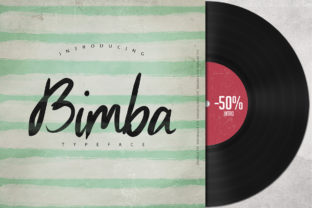
Typography has long been the silent partner of visual communication, shaping how readers perceive tone, trustworthiness, and intention before they absorb a single word. Among the vast landscape of typefaces, handwritten fonts occupy a unique space: they bridge the gap between mechanical precision and human spontaneity. Bimba, a stunning fluid handwritten font designed by Pere Esquerra, stands out not merely as a decorative option but as a functional tool that brings warmth, rhythm, and personality to digital and print projects. Its flowing strokes and organic character make it a compelling choice for anyone looking to infuse authenticity into their work.
The Design Philosophy Behind Bimba
Pere Esquerra designed Bimba with a clear intention: to capture the natural motion of handwriting without sacrificing legibility or versatility. Unlike many handwritten fonts that feel static or overly stylized, Bimba flows with a genuine sense of movement. Each letter appears to have been drawn with a single, confident stroke, giving the typeface a cohesive rhythm that mirrors the pacing of thoughtful writing. The fluidity is not accidental; it comes from meticulous attention to letter-to-letter connections, baseline variations, and consistent slant angles.
One of the most striking aspects of Bimba is how it balances organic irregularity with readable structure. Handwritten fonts often lean too far into chaos, making long passages difficult to read. Bimba avoids this pitfall by maintaining clear letterforms while preserving the slight imperfections that make handwriting feel human. The result is a typeface that works well for both short headlines and extended body text, a rare feat in the handwritten category.
The Role of Fluidity in Typographic Communication
Fluidity in typography refers to the visual continuity between characters and the overall graceful motion of the text block. Bimba excels in this regard because its letterforms are designed to connect naturally, creating a reading experience that feels uninterrupted and smooth. This fluidity has practical implications: readers tend to perceive fluid text as more personal and approachable. When a brand or individual uses a font like Bimba, they communicate openness, creativity, and a human touch that rigid sans-serif or serif fonts rarely convey.
For example, a handwritten note in Bimba used on a website's hero section can instantly lower the perceived formality of the content, making visitors feel as though they are reading a personal message rather than a corporate statement. This psychological shift is powerful in contexts where emotional connection matters more than sterile professionalism.
Psychological and Emotional Impact of Handwritten Fonts Like Bimba
Research in typography psychology consistently shows that handwritten fonts evoke stronger emotional responses than their mechanical counterparts. Bimba, with its soft curves and natural flow, tends to elicit feelings of warmth, nostalgia, and sincerity. These associations are not trivial; they directly influence how audiences engage with content. A call-to-action button set in Bimba can feel more inviting than one set in Arial, even if the words are identical.
Moreover, handwritten fonts signal craftsmanship and individuality. In an era where audiences are increasingly skeptical of mass-produced content, Bimba offers a way to stand out without appearing gimmicky. Its fluid strokes suggest that someone took the time to write rather than type, which can build trust and perceived effort. This is especially relevant for small businesses, freelancers, and creators who rely on personal branding to differentiate themselves.
Real-World Observations: Where Bimba Makes an Immediate Difference
Consider a wedding invitation suite. Couples often seek typography that feels intimate and celebratory. Bimba's handwritten elegance can transform a simple invitation into a keepsake. Its fluid letters mimic the natural handwriting of a heartfelt note, making recipients feel personally addressed. Similarly, a boutique coffee shop using Bimba on its menu boards and packaging can convey artisanal care and a welcoming atmosphere. The font's organic quality aligns perfectly with brands that emphasize handmade, small-batch, or locally sourced values.
In digital product design, Bimba has found a home in app onboarding screens, greeting card generators, and lifestyle blogs. Its readability at moderate sizes ensures that users can still process information quickly while enjoying a more aesthetically pleasing interface. Designers have noted that Bimba reduces the cognitive coldness often associated with digital interfaces, making users feel more comfortable and engaged.
Practical Applications Across Industries
The versatility of Bimba makes it suitable for a wide range of use cases, from print media to web design, from branding to educational materials. Below are some of the most impactful applications where Bimba's fluid handwritten character shines.
Branding and Identity Design
Brands that want to communicate approachability, creativity, or artisanal quality often turn to handwritten fonts. Bimba's fluidity allows it to function as a primary logo typeface or as a supporting accent. For instance, a skincare line using natural ingredients might use Bimba for product names and packaging copy to reinforce the message of gentle, personal care. The font's organic feel complements earthy color palettes and botanical imagery.
Editorial and Publishing
Magazines, journals, and newsletters looking to break away from conventional layouts can use Bimba for pull quotes, section headers, or short personal essays. Because the font retains high legibility at medium sizes, editors can use it for short body paragraphs without sacrificing readability. This application is particularly effective in lifestyle, travel, and wellness publications where the tone should feel conversational and reflective.
Digital Marketing and Social Media
Social media graphics, email headers, and landing pages benefit immensely from Bimba's handwritten warmth. A marketing campaign that uses Bimba for its headline can see higher engagement rates because the font conveys a sense of directness and authenticity. Instagram posts, especially those featuring quotes or personal stories, often perform better when the typography feels human. Bimba's natural flow makes it an excellent choice for overlaying on photographs without clashing with the visual mood.
Educational and Instructional Content
Educators and course creators can use Bimba to soften the formality of instructional materials. Handwritten fonts in worksheets, presentation slides, or online course modules can make the content feel more like a personal guide than a textbook. Bimba's clarity ensures that students can still read instructions easily, while its organic appearance reduces the intimidation factor often associated with dense academic typography.
Technical Considerations for Using Bimba
While Bimba is visually stunning, effective use requires attention to a few technical aspects. Like all handwritten fonts, Bimba performs best when given adequate spacing and sizing. Because its letters are designed to flow naturally, crowding them can reduce legibility. Designers should allow for generous letter-spacing and line-height to preserve the font's rhythm. For body text, a size of at least 14 to 16 points is recommended, while headlines can go larger to showcase the fluid details.
Another consideration is pairing Bimba with complementary typefaces. Since Bimba carries a strong personality, it pairs well with neutral sans-serifs like Open Sans, Lato, or Montserrat for body copy. The contrast between a clean sans-serif and Bimba's organic flow creates visual hierarchy without competition. For a more sophisticated look, pairing Bimba with a refined serif like Playfair Display can produce elegant invitations or editorial layouts.
It is also worth noting that Bimba supports a wide range of characters and ligatures, which enhance the natural handwriting effect. Designers should enable OpenType features in their software to access alternate glyphs and contextual alternates. These features allow Bimba to adjust letterforms based on surrounding characters, further improving the fluid, handwritten feel.
Accessibility and Readability
While Bimba is more readable than many handwritten fonts, it is still best used for moderate-length content rather than long-form articles. For digital accessibility, ensure sufficient color contrast between text and background, and avoid using Bimba for critical navigation elements or small labels. Its strength lies in emotional resonance and visual appeal, not in high-speed scanning. For applications where quick comprehension is essential, reserve Bimba for headers, quotes, or accent text.
How Bimba Compares to Other Handwritten Typefaces
The market for handwritten fonts is crowded, but Bimba distinguishes itself through its consistent fluidity and professional polish. Many handwritten fonts sacrifice readability for style, resulting in characters that are difficult to distinguish at smaller sizes. Others are too rigid, losing the spontaneity that makes handwriting appealing. Bimba strikes a balance that few achieve. Its strokes are confident but not aggressive, its loops are open and inviting, and its overall rhythm feels natural rather than mechanical.
Compared to script fonts that lean heavily into calligraphy, Bimba is more casual and approachable. It does not demand formal contexts; instead, it adapts to both playful and sincere applications. This adaptability makes it a more versatile choice for designers who need a single handwritten font for multiple projects. Whether the tone is joyful, reflective, or informative, Bimba can adjust without feeling out of place.
Licensing and Availability
Bimba is available through various type foundry platforms, and licensing options typically cover both desktop and web use. Designers should verify the specific license terms for their intended use, especially for commercial projects. The font's popularity has grown steadily due to its quality and the reputation of its designer, Pere Esquerra, who is known for crafting fonts that combine artistic expression with practical functionality.
Future Trends and Bimba's Place in Evolving Typography
As digital media continues to prioritize human-centered design, the demand for fonts that convey authenticity and emotional depth will only increase. Handwritten typefaces like Bimba are poised to play a larger role in user interface design, especially as content personalization becomes more sophisticated. Imagine a wellness app that uses Bimba for daily affirmations, or a journaling platform that defaults to Bimba for its entries. The font's fluidity aligns perfectly with experiences that aim to feel private, reflective, and personal.
Furthermore, the rise of variable font technology may open new possibilities for Bimba in the future. While Bimba is currently a static design, its structure would lend itself well to variable axes such as weight or contrast, allowing users to fine-tune the font's appearance for different contexts. Even without variable capabilities, Bimba's current form offers enough versatility to remain relevant as design trends evolve.
Typography movements are increasingly rejecting the cold uniformity of early digital fonts. Designers and brands are seeking fonts that tell a story and feel crafted. Bimba fits perfectly into this shift. It is not a font that fades into the background; it invites attention and rewards close reading. As more creators recognize the value of emotional resonance in design, Bimba will likely become a staple in the toolkit of those who prioritize connection over conformity.
Final Observations on the Craft of Bimba
Pere Esquerra's work on Bimba is a reminder that typeface design is as much about empathy as it is about geometry. Every curve, every connection, and every variation in stroke width contributes to how the reader feels when they encounter the text. Bimba does not pretend to be handwriting; it is handwriting, translated into a reproducible form without losing its soul. For professionals and hobbyists alike, using Bimba means choosing to communicate with warmth, clarity, and a touch of artistry. Whether it appears on a wedding invitation, a brand logo, or a digital greeting, Bimba carries a message that goes beyond words: it says that someone cared enough to make it beautiful.