Arlin: The Hand-Brushed Font That Brings Elegance and Authenticity to Modern Design
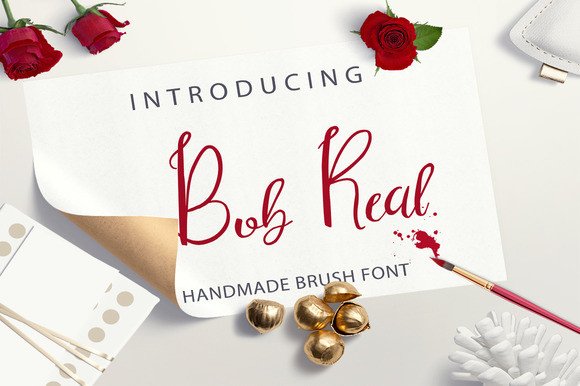
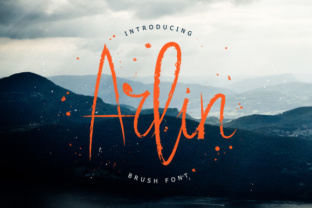
In a digital landscape saturated with clean, geometric typefaces and mechanical uniformity, there is a growing hunger for something more human. Enter Arlin, a hand-brushed font with thin lines that captures the nuance of real brushstrokes while maintaining the readability expected in professional work. Unlike many script fonts that feel overly ornate or decorative, Arlin strikes a rare balance: it is refined yet spontaneous, delicate yet legible. For designers, business owners, and creators who want their message to feel personal without sacrificing polish, Arlin offers a tool that speaks with a quiet, confident voice.
The relevance of a font like Arlin goes far beyond aesthetics. It reflects a broader cultural shift toward authenticity in visual communication. Consumers and audiences are increasingly skeptical of stock imagery, templated layouts, and generic branding. They want to see the hand behind the work. Arlin, with its thin, irregular strokes and natural variation in line weight, signals that a human being was involved. It suggests care, intention, and a willingness to stand apart from the crowd.
Why Hand-Brushed Fonts Are Gaining Attention in a Digital-First World
Typography trends have cycled through many phases over the past decade — from bold sans-serifs dominating tech branding to the resurgence of serif revivals in editorial design. Yet hand-brushed fonts have carved out a steady and growing niche. Why now?
Part of the answer lies in changing user expectations. People are overwhelmed by visual noise. They encounter hundreds of brand messages daily, many of which look and feel interchangeable. A font like Arlin cuts through that noise not by being louder, but by being more human. Its thin lines and brush-like edges evoke lettering done by hand with a fine brush, suggesting a level of craft and patience that mass-produced design cannot replicate.
Another factor is the rise of micro-brands and solo entrepreneurs. Small business owners, freelancers, and creatives are building identities on platforms like Instagram, Etsy, and Substack. They need visual tools that convey personality and trust without requiring a full design team. Arlin gives them that edge. It feels bespoke without being difficult to use.
There is also a practical trend toward slower, more intentional design. In contrast to the rapid-fire, template-driven approach, many professionals are rediscovering the value of thoughtful typography. The hand-brushed quality of Arlin encourages a more deliberate use of space and pacing. It works beautifully in smaller doses — for a headline, a pull quote, a logo wordmark, or a short phrase that needs emotional weight.
How Typography Has Evolved: From Rigid Systems to Expressive Tools
Typography has long been governed by rules of consistency and uniformity. Early digital fonts were designed to be mathematically precise, which served the needs of screen rendering and print reproduction. But that precision often came at the cost of warmth. Over time, designers began seeking typefaces that could inject character without compromising function.
The evolution toward hand-drawn and brush fonts accelerated with the maturation of vector technology and variable font formats. Today, it is possible to create a font like Arlin that preserves the irregularities of real brushwork — the slight tremors, the tapered ends, the changes in pressure — while still working reliably across devices and platforms. This technical maturity means that choosing a hand-brushed font no longer requires sacrificing performance.
Arlin sits at the intersection of this evolution. It is not a novelty font nor a throwback to calligraphy. It is a contemporary tool that respects the principles of good typography — legibility, rhythm, hierarchy — while adding a layer of texture and emotion that purely mechanical fonts lack. For educators, marketers, and business owners, this means you can communicate warmth and expertise simultaneously. You do not have to choose between looking professional and feeling approachable.
Practical Implications for Professionals, Creators, and Businesses
Understanding what Arlin offers is one thing. Applying it effectively is where real value emerges. Here are grounded, concrete ways different audiences can use this font to meet their goals.
For Branding and Identity
If you are building a brand around craft, care, or personal service, Arlin can be a cornerstone of your visual identity. Its thin lines evoke precision and delicacy, making it ideal for businesses in wellness, boutique retail, artisanal food, stationery, jewelry, or creative consulting. It also pairs surprisingly well with clean sans-serif fonts for body text, creating contrast that feels curated rather than chaotic.
Consider using Arlin for your main logotype or hero headline. Because the strokes are thin, it reads best at medium to large sizes — think business cards, website headers, packaging labels, or social media banners. Avoid using it for long paragraphs or small print, where the delicate lines could become hard to read. That is not a weakness; it is a matter of using the right tool for the right job.
For Content Creators and Marketers
Marketers and content creators are constantly seeking ways to increase engagement and trust. A headline set in Arlin immediately communicates that the content is crafted, not automated. It can elevate a newsletter, a landing page, a video thumbnail, or an ebook cover. The font’s hand-brushed quality aligns well with storytelling — it signals that a real person wrote the words, which can boost emotional connection.
That said, use it sparingly. Overusing any distinctive font diminishes its impact. Reserve Arlin for elements that need to stand out and carry emotional weight. For body copy, choose a complementary typeface that offers strong readability and a neutral tone.
For Educators and Thought Leaders
Presentations, course materials, and guides often feel generic when built from default templates. Adding Arlin to your typography palette can make your materials feel more personal and inviting. A slide title, a quote, or a section divider set in Arlin can anchor the audience’s attention and signal that the content is valuable and human-centered. It is particularly effective in workshops, coaching programs, and creative education contexts where connection and creativity are central themes.
For Freelancers and Hobbyists
If you sell your work on platforms like Etsy, Gumroad, or Patreon, Arlin can help your storefront feel cohesive and distinctive. Whether you design planners, prints, digital templates, or custom artwork, using a consistent hand-brushed font across your product images and branding reinforces your aesthetic. It tells customers that you care about the details. In a marketplace crowded with similar offerings, that impression can be the difference between a click and a pass.
How to Use Arlin Effectively: Grounded Recommendations
Choosing Arlin is only the first step. Getting the most out of it requires thoughtful implementation. Here are practical guidelines to ensure your use of the font enhances rather than undermines your message.
- Pair it with simple, neutral fonts. Arlin carries strong personality. To avoid visual overload, pair it with a clean sans-serif or a straightforward serif for body text. Fonts like Inter, Work Sans, or Lora can provide balance without competing for attention.
- Give it space. Thin lines demand breathing room. Avoid crowding Arlin with dense design elements. Use ample padding, generous margins, and minimal clutter around any text set in this font.
- Choose the right context. Arlin excels in short-form applications: headlines, quotes, labels, monograms, and accent text. It is not suited for long reading passages, small sizes, or low-resolution screens.
- Consider color and background. High contrast helps. Arlin works beautifully on light backgrounds with dark ink, but can also shine on dark backgrounds if given enough contrast. Avoid placing it over busy patterns or images that obscure the fine strokes.
- Test on multiple devices. Because Arlin is delicate, check how it renders on different screens, especially mobile devices where thin lines can sometimes appear faint. Adjust sizing and weight accordingly.
Trends in Typography: Where Hand-Brushed Fonts Fit Today and Tomorrow
The broader design landscape continues to value individuality and differentiation. While minimalism in layout and user experience remains popular, there is a growing appetite for typography that adds texture and human touch. Hand-brushed fonts like Arlin fit this perfectly because they offer something that algorithm-generated design cannot: the appearance of a real hand moving across a page.
We are also seeing a shift toward smaller, more intentional design budgets. Not every business needs a full brand system with dozens of fonts. A single distinctive typeface like Arlin, used consistently, can anchor an entire visual identity. This trend toward simplification and focus works in Arlin’s favor. It does not require a complex ecosystem to be effective.
Another notable trend is the blurring of lines between digital and tactile. As augmented reality, digital products, and screen-based experiences become more immersive, users crave cues that feel physical. A font that mimics brushwork bridges that gap. It reminds us that behind every screen is a human creator. Arlin, with its thin, deliberate strokes, embodies that connection better than many alternatives.
The Quiet Power of a Thoughtful Typeface
Arlin is not the loudest font in the room. That is precisely its strength. In an era of noise, subtlety stands out. Its thin, hand-brushed lines invite closer inspection. They reward attention. They suggest that the person behind the message took the time to make it beautiful, not just functional.
For professionals, creators, and business owners looking to communicate with clarity and personality, Arlin offers a reliable, elegant option. It respects the craft of lettering while meeting the practical demands of modern workflows. When used with intention, it can elevate a brand, a project, or a piece of content from forgettable to memorable.
Typography is never just about letters. It is about the voice they carry. Arlin speaks softly, but it has something worth saying.